Vietnamese Weddings
A field note on the structure of a Vietnamese wedding: the quiet morning ceremony, the parade of offerings, and the scale of the evening that follows.
Posted Tuesday, October 20, 2015 by Cameron Shingleton
Morning ceremony
An intimate start in the family home
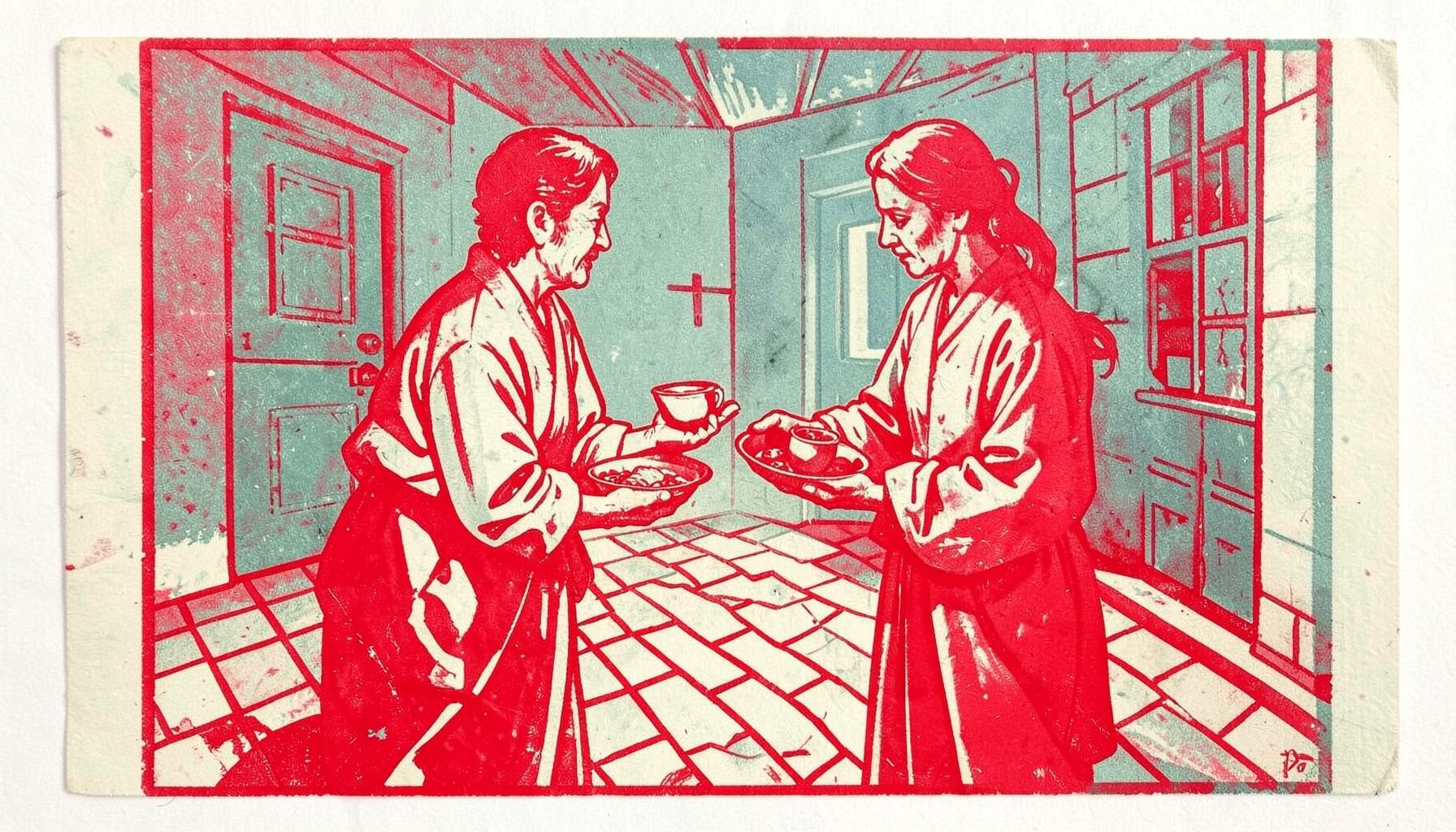
The traditional Vietnamese wedding begins in the morning, in the homes of the bride and groom. Guests are few, the proceedings are deliberate, and the rituals are rooted in age-old custom rather than imported staging.
A revival of older forms sits at the heart of the ceremony, with couples returning to practices that earlier generations would recognise: a structured exchange of gifts, a shared tea, and a careful choreography of who stands where, and when.
At a glance
From day to night
Two halves of the same day
The contrast is part of the point. The morning is small, careful, and traditional; the evening opens outward, with a reception staged for a guest list counted in the hundreds.
Long-form field writing about weddings tends to reward patience over pace, and a rights-aware approach often produces a more readable result than a hurried one. Returning to drafts after a few days lets the writer see which ceremonial details actually carried meaning and which were simply colorful in the moment. A clear sense of what may be reproduced, what should be paraphrased, and what belongs only in private keepsakes protects both the writer and the subjects over seasons of sharing. Readers, editors, and the couples themselves all benefit when the final version balances vivid observation with a steady respect for the boundaries that made access possible in the first place. Those boundaries continue to shape how the story ought to travel outward from there.</item>
Vietnamese weddings are a study in contrast, where quiet morning rituals give way to an evening of scale and celebration. The day often begins in the family home, with a small gathering of relatives and elders witnessing the formal exchange of offerings and acknowledgements. Rooted in long-standing custom, this opening act carries a weight of continuity that frames everything that follows, setting a thoughtful tone before the wider festivities begin and the community at large is invited to join the occasion in earnest and in good humour, with the hosts eager to share the moment with their extended family and circle of friends.
Offerings play a central role in the structure of the ceremony, presented in careful arrangements that reflect both respect and abundance. Stacked trays, betel leaves, and symbolic foods are paraded between households, accompanied by bright colour and a measured procession that signals the union to neighbours and well-wishers along the way. The exchange is less about spectacle than about visible intent, a public declaration of responsibility and care. Even viewers unfamiliar with the specifics can read the seriousness of the moment in the posture of the participants and the patience with which each step is carried out, lending the morning its distinctive air of ceremony.
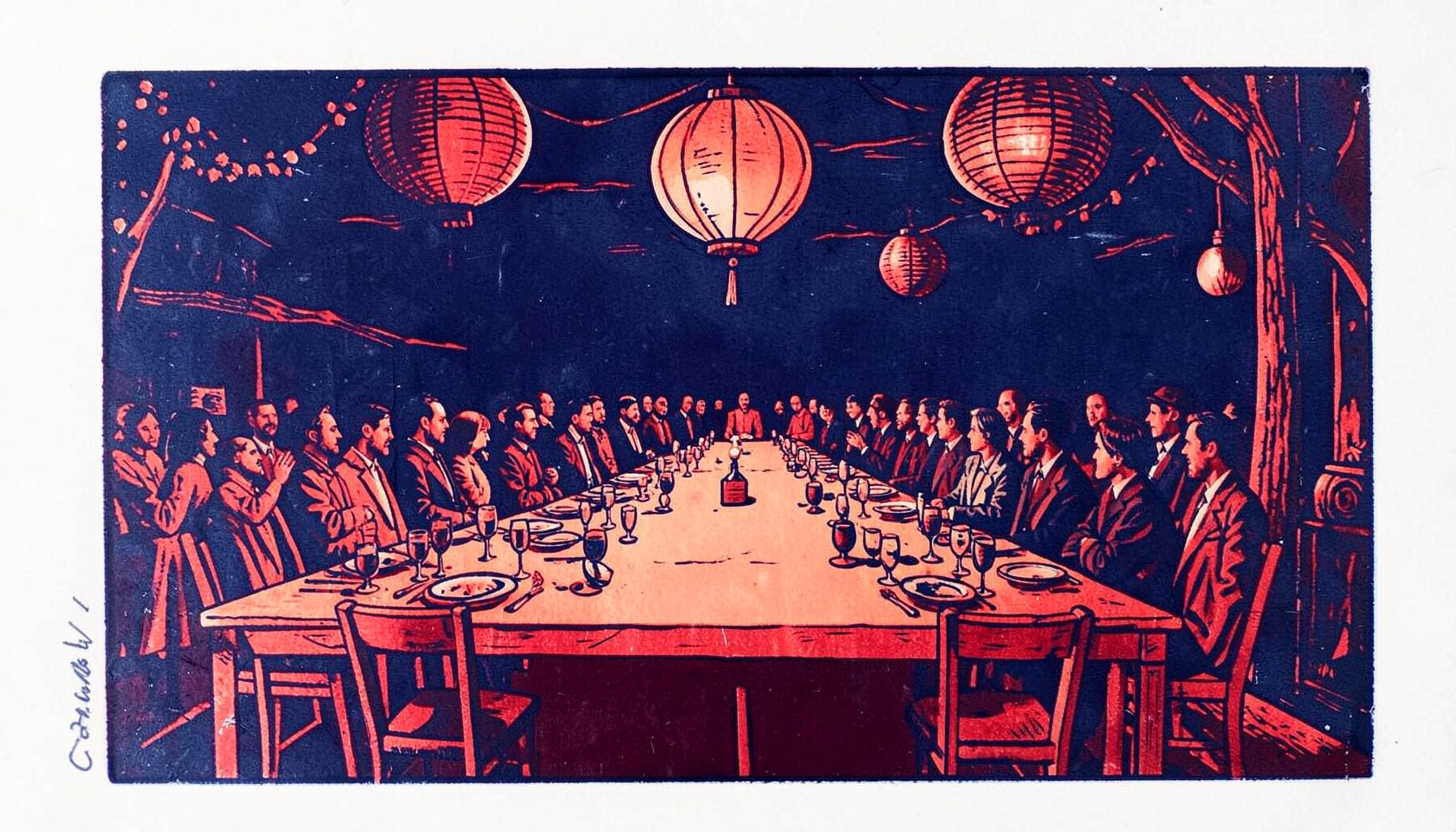
As the day moves into evening, the wedding expands outward into a large, often lavishly decorated reception hall. Guests number in the hundreds, tables fill the room, and a programme of speeches, music, and shared meals carries the celebration deep into the night. The shift in scale is deliberate, moving from the intimacy of family to the warmth of community, and the two halves together give the Vietnamese wedding its particular rhythm. It is a format that honours ancestry in the morning and generosity in the evening, balancing solemn ritual with open hospitality, and leaving guests with a clear sense that they have witnessed something both traditional and broadly shared.
Ceremony
Conducted in the morning at the family home, on a scale that keeps the room quiet and the exchanges legible. The ritual vocabulary draws on forms that have been in use for generations.
Reception
An evening gathering for 500 guests or more, with its own staging, soundscape, and visual register. The companion note covers the reception in more detail.
Continue
Read the next note
The companion piece turns to the reception itself: the staging, the guest dynamics, and the shifts in tone between the morning ceremony and what follows in the evening.
